At Solarvest, we stand by the quality of the systems we install. Every newly installed system includes 12 months of complimentary support, giving you confidence from day one.
For systems older than 12 months, Solarvest Assist offers a comprehensive Service Level Agreement (SLA) designed to protect your investment long term. Our support and service plans provide peace of mind through access to our dedicated support team and an authorised OEM repair centre.
With a Solarvest Assist service plan in place, you can ensure the ongoing performance, reliability, and longevity of your solar system, just as it was designed to deliver.
Preserving System Efficency
One of the most immediate benefits of regular maintenance is the preservation of energy efficiency. Over time, dust, dirt, bird droppings, and other environmental contaminants can accumulate on solar panels, significantly reducing their ability to absorb sunlight. Even a small layer of grime can decrease output by 10–20%. Regular cleaning ensures panels remain clear and fully operational, maintaining optimal energy production levels.
Additionally, electrical components such as inverters, wiring, and connectors are subject to wear and tear. Loose connections, corrosion, or thermal damage can lead to partial system failures or efficiency losses. Scheduled inspections can detect and correct these issues early, preventing small problems from becoming major setbacks.
Extending System Lifespan
Solar panels and related hardware are built to last 25 years or more, but this longevity depends heavily on how well they are maintained. Regular checks of mounting structures, cabling, batteries, and monitoring systems help prevent physical damage and performance degradation. By identifying potential faults early, maintenance prevents excessive strain on components, ensuring they reach or even exceed their expected lifespan.
Reducing Downtime and Repair Costs
Unexpected equipment failures can lead to system downtime and reduced energy generation, directly affecting profitability, particularly in commercial and utility-scale installations. Regular maintenance minimizes these risks by identifying vulnerabilities before they result in breakdowns. Preventive maintenance is far more cost-effective than reactive repairs and reduces the likelihood of expensive emergency service calls.
Ensuring Safety and Compliance
Solar energy systems handle high-voltage electricity and are often installed in exposed locations. Faulty wiring, damaged panels, or compromised connections can pose safety hazards, including fire risks. Routine maintenance includes safety inspections that ensure all system components are functioning properly and comply with relevant safety standards.
Moreover, many equipment warranties and insurance policies require proof of regular maintenance. Failure to perform scheduled checks could void warranties and reduce insurance coverage in the event of system damage.
Maintaining Optimal Performance
Ultimately, regular maintenance is key to maximizing the financial return on a solar investment. By ensuring peak performance, minimizing downtime, and reducing unexpected costs, maintenance protects both the energy output and the revenue generated from the system. For residential users, this means lower utility bills. For businesses and investors, it means stronger ROI and asset reliability.
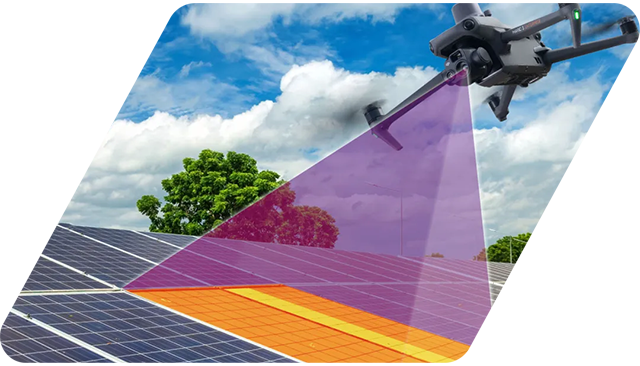
Using drone thermal imaging for solar panel inspections is an efficient and cost-effective way to identify issues, optimize performance, and maintain the integrity of solar installations.
Detecting Defects and Hot Spots
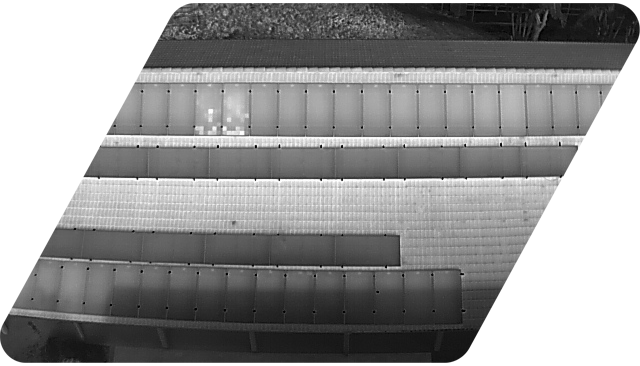
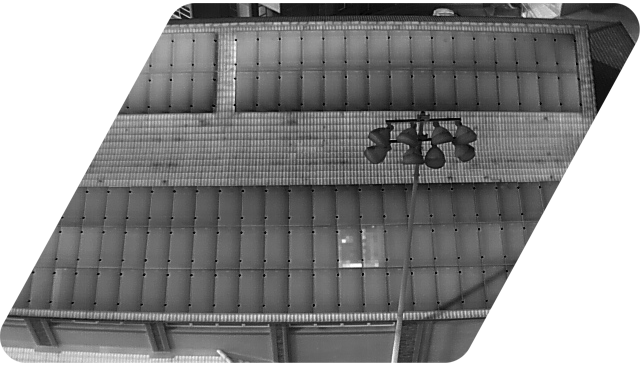
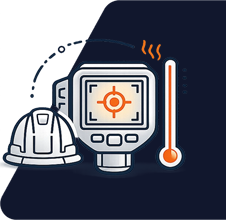
Thermal imaging cameras on drones can quickly identify hot spots or defects in solar panels. Hot spots can indicate issues like cell damage, shading, or malfunctioning diodes, leading to reduced energy production or potential fire hazards.
Preventive Maintenance
Regular thermal inspections can identify problems before they become severe or identify trends in certain anomaly types over time, allowing for timely maintenance and avoiding more costly repairs or replacements.

Enhanced Safety
Traditional manual inspections often involve workers climbing onto rooftops, navigating challenging terrain, or being exposed to harsh weather conditions such as extreme heat. Using drones eliminates these safety risks by performing inspections remotely.
Large-Scale Inspections
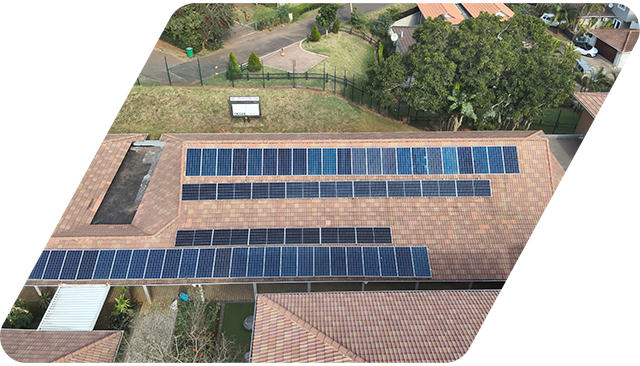
Drones can efficiently cover large solar farms or rooftops in a short amount of time, making it practical to inspect extensive installations.
Regular maintenance of solar energy systems is not a luxury—it is a necessity. Whether for residential rooftops or large-scale solar farms, consistent care ensures efficiency, longevity, safety, and financial performance. As the solar industry continues to grow, maintenance will remain a critical factor in unlocking the full value of clean energy.
FINAL THOUGHTS